Luxury Shopping in Florence: Via de' Tornabuoni and Beyond
Updated: 2 days ago
Updated October 2026

Florence is where some of the great fashion houses were born: Gucci started here in 1921 and Ferragamo built his business on Via de' Tornabuoni. This is my shopping guide to the designer streets, the outlets and tax-free shopping.

This is my shopping hub: the designer streets, the Florentine houses, the outlets and how to claim tax back. For handmade goods, see the guides listed at the end.

Via de' Tornabuoni
Florence's grandest shopping street runs from Piazza Santa Trinita toward the Antinori palace. The flagships of the big Italian and international houses line it, many inside Renaissance palazzi. Walk it once just to look at the buildings.

Palazzo Spini Feroni and the Ferragamo Museum
Ferragamo's headquarters sits at the river end of the street. Below the boutique, the Museo Ferragamo (entrance at Piazza di Santa Trinita 5r) tells the story of the shoemaker to the stars. In 2026 it opens daily from 10:30 to 19:30, closed 1 January, 15 August and 25 December.
Via della Vigna Nuova and Via Strozzi
The streets around Tornabuoni hold more designer boutiques, jewelers and niche labels. Via Strozzi leads you on to Piazza della Repubblica.

Florentine houses to know
Gucci, Via de' Tornabuoni 73r. Founded in Florence in 1921. The Firenze flagship is open daily.
Ferragamo, Palazzo Spini Feroni, Via de' Tornabuoni. Shoes, bags and silk, with the museum below.
Pucci, Via de' Tornabuoni 20-22r. The house of bold prints, founded by the Florentine Marchese Emilio Pucci. Open daily 10:00 to 19:00.
Officina Profumo-Farmaceutica di Santa Maria Novella, Via della Scala 16. Founded by Dominican friars, it sells perfumes and soaps in frescoed rooms. Open daily 9:30 to 20:00, and you can walk in just to look.

The outlets
The Mall Firenze at Leccio, in the countryside outside the city, gathers big designer names in one outlet village. It is open daily from 10:00 to 19:00 at Via Europa 8, Leccio.
The direct The Mall by Bus shuttle leaves from Piazzale Montelungo, a few minutes' walk from Santa Maria Novella station, several times a day. Go on a weekday morning to avoid crowds.

Tax-free shopping
Non-EU residents can claim back VAT on purchases above a minimum spend in a single store. Ask for a tax-free form when you pay, keep your passport handy and get the forms stamped or validated at your last EU airport before you check bags. Outlet villages often offer help on site.
Shop at Christmas
December windows on Tornabuoni are beautiful, and the season adds markets and lights. See my Christmas in Florence guide.
Where to stay
Via de' Tornabuoni is minutes from Santa Maria Novella, with many grand hotels nearby. See where to stay near Santa Maria Novella, or browse my Best 5-Star Hotels in Florence guide.
The Ponte Vecchio jewelers
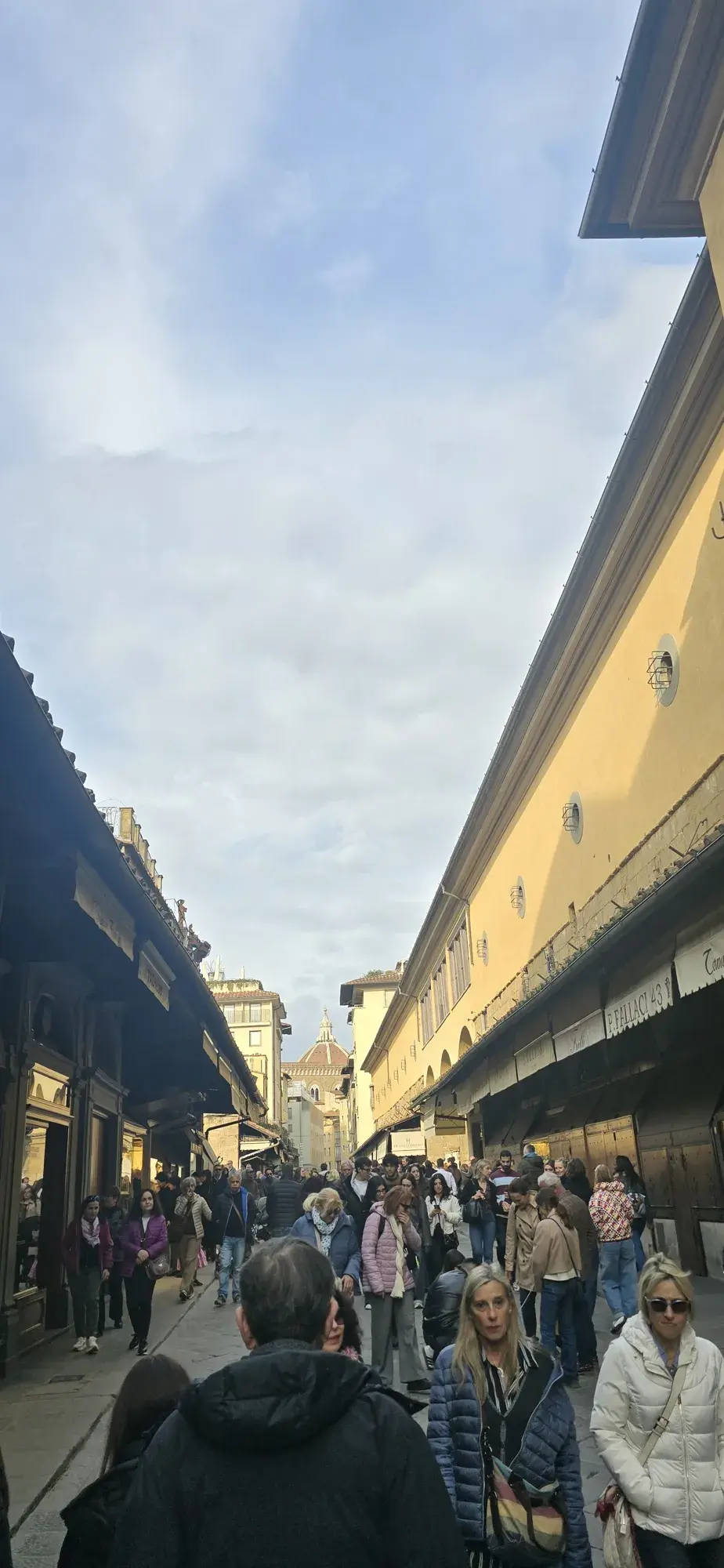
Since 1593, when Grand Duke Ferdinando I moved the butchers off the bridge, the Ponte Vecchio has belonged to goldsmiths and jewelers. Their shops still hang over the river, with wooden shutters that close at night like chests.
Many are family businesses going back generations. Look at the bust of Benvenuto Cellini, the great goldsmith, in the middle of the bridge. My goldsmiths guide tells the story.

Perfume and the Officina
The Officina Profumo-Farmaceutica di Santa Maria Novella, on Via della Scala, is one of the oldest pharmacies in the world, founded by Dominican friars. Its frescoed rooms sell perfumes, soaps and herbal remedies made to old recipes. Even if you buy nothing, the rooms are worth a visit.
Spezierie Palazzo Vecchio
A few steps from Palazzo Vecchio, Spezierie Palazzo Vecchio is a historic Florentine perfume house in frescoed rooms. It is a natural stop on a Tornabuoni or Piazza della Signoria shopping day when you want scents, soaps and old-world atmosphere without leaving the center.


Farmacia SS. Annunziata 1561
For another side of Florentine luxury, leave the fashion streets for Via dei Servi 80r, between the Duomo and Piazza Santissima Annunziata. Farmacia SS. Annunziata traces its story to the apothecary opened here by Domenico Brunetti in 1561. Its historic premises retain furnishings dating to the seventeenth century.
Today the historic shop is a destination for fragrance, skincare and body care, rather than a place to come for prescription medicines. The pharmacy's own history explains that medicine sales moved elsewhere while Via dei Servi became its historic fragrance and beauty address.
Look for the iris-led Anniversary fragrance, a tribute to Florence, and the home-fragrance collection inspired by the city's medieval guilds. Take time to compare scents rather than choosing from a bottle alone. It makes a thoughtful stop for a personal souvenir or a gift that feels connected to the city.
Historic shop: Via dei Servi 80r, 50122 Firenze. Telephone: +39 055 210738. Check current shop hours directly before making a special visit.


Bespoke and made to measure
Florence is one of the few places where you can still have shoes, shirts, gloves and suits made by hand. Workshops in the Oltrarno and around Santo Spirito take orders for shoes and leather goods, with fittings over a few days or weeks and shipping home. Ask your hotel concierge for introductions; the best artisans often work by appointment.
Shopping etiquette
In luxury boutiques, staff will greet you at the door. Say "buongiorno" and let them help. In small workshops, ask before touching pieces, and before taking photos. Many shops close on Sunday mornings and some close at lunch, so plan around it. Ask for shipping if a purchase is large; most shops ship worldwide.
Gifts to bring home
Marbled paper from a bottega in the Oltrarno, a bottle of new olive oil, a silk scarf, a small leather notebook, or a scent from the Officina. They travel well, pack flat and last for years. These are the gifts my friends and family remember.
My shopping day
I start on Via de' Tornabuoni in the morning, have lunch near Piazza Santa Trinita, then cross to the Oltrarno for workshops on Via Maggio and around Santo Spirito. I finish at the Officina and an aperitivo in a hotel bar.
Florence and the birth of Italian fashion
Italian fashion as an international industry began in Florence. In February 1951, the entrepreneur Giovanni Battista Giorgini invited American buyers to a fashion show at his home, Villa Torrigiani, on Via de' Serragli.
It was a sensation, and the next shows moved to the Sala Bianca of Palazzo Pitti, which became the stage for Italian fashion through the 1950s and 1960s.
Today, Pitti Immagine organizes Pitti Uomo, the world's leading menswear fair, twice a year in January and June, filling the city with buyers, designers and the best dressed men you will ever see.
Gucci, Ferragamo and Pucci
Several of the most famous Italian houses were founded or grew up in Florence. Guccio Gucci opened his first shop in Florence in 1921, selling leather goods and luggage.
Salvatore Ferragamo, the shoemaker to Hollywood stars, moved his business to Florence in 1927 and bought Palazzo Spini Feroni in 1938; it is still the company's headquarters and home to its museum.
Emilio Pucci, the marchese known for bright printed silks, worked from his family palace near the Duomo. On Piazza della Signoria, the medieval Palazzo della Mercanzia is home to Gucci Osteria da Massimo Bottura, the house's restaurant.

Florentine jewelry
The goldsmiths of the Ponte Vecchio have worked on the bridge since 1593, when Grand Duke Ferdinando I replaced the butchers. Today, some of the shops belong to families that have been there for generations. Look for Florentine engraving, a technique that gives gold a textured, silky finish. Beyond the bridge, independent jewelers in the Oltrarno make pieces by hand.
Perfume and beauty
The Officina Profumo Farmaceutica di Santa Maria Novella, founded by Dominican friars, is one of the oldest pharmacies in the world, officially opened to the public in 1612. Its frescoed rooms are worth a visit even if you do not buy anything. Florence also has independent perfumers who create bespoke scents.
Linens, silks and paper
For gifts with Florentine heritage, look for hand embroidered linens, silk ties woven on old looms, and marbled paper from the city's paper makers, a craft that has been practiced in Florence for centuries.
Florentine mosaics
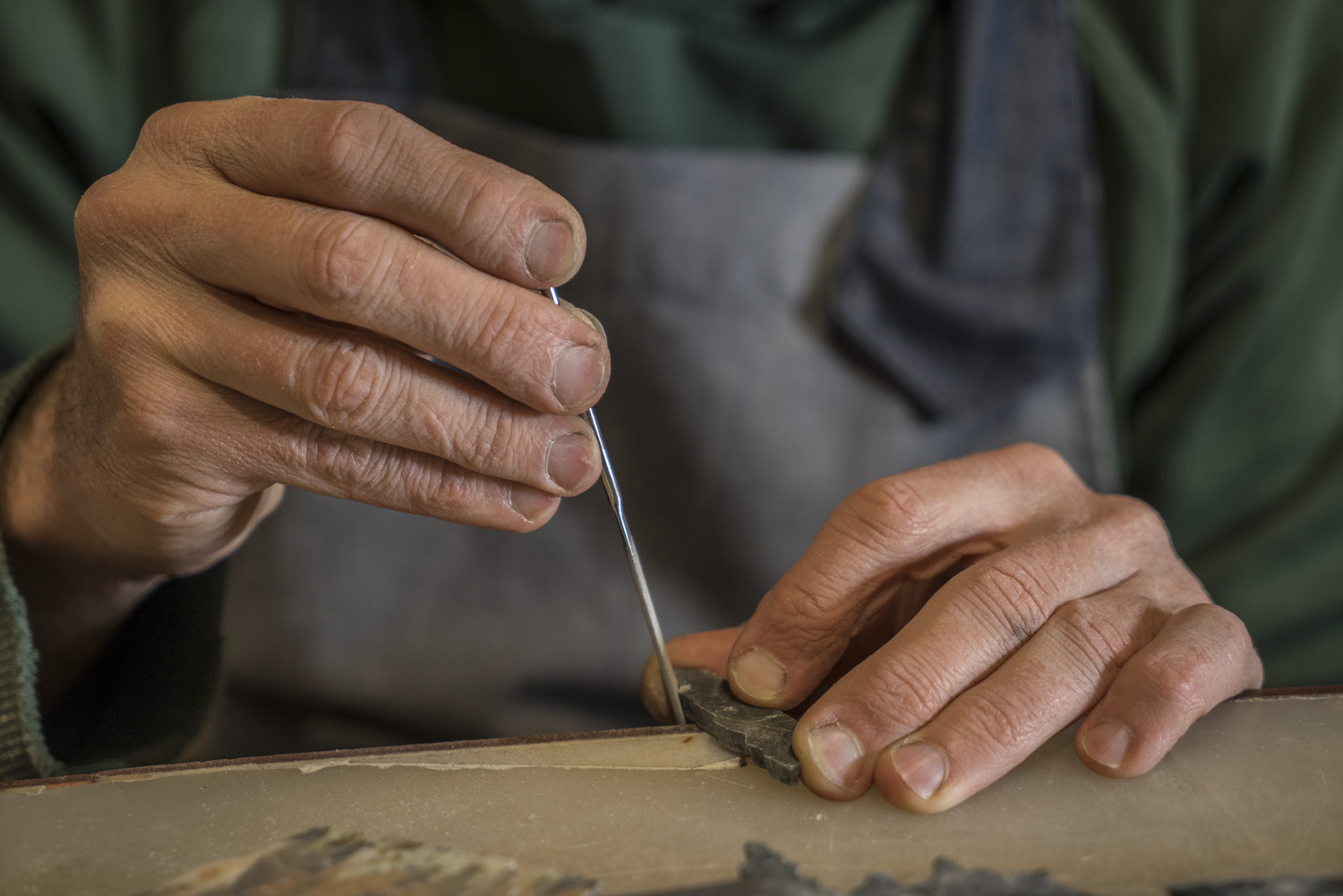
Scarpelli Mosaici
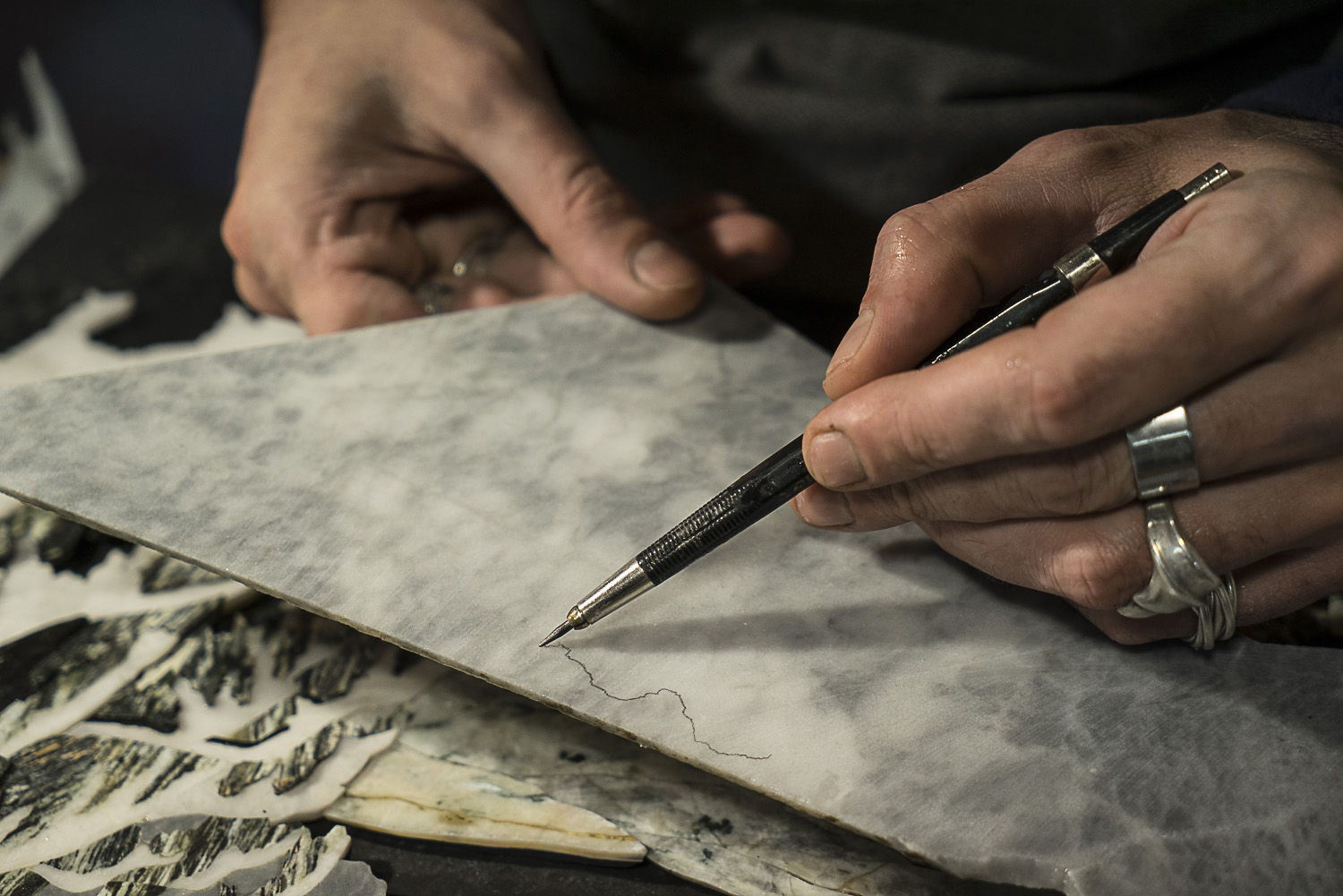
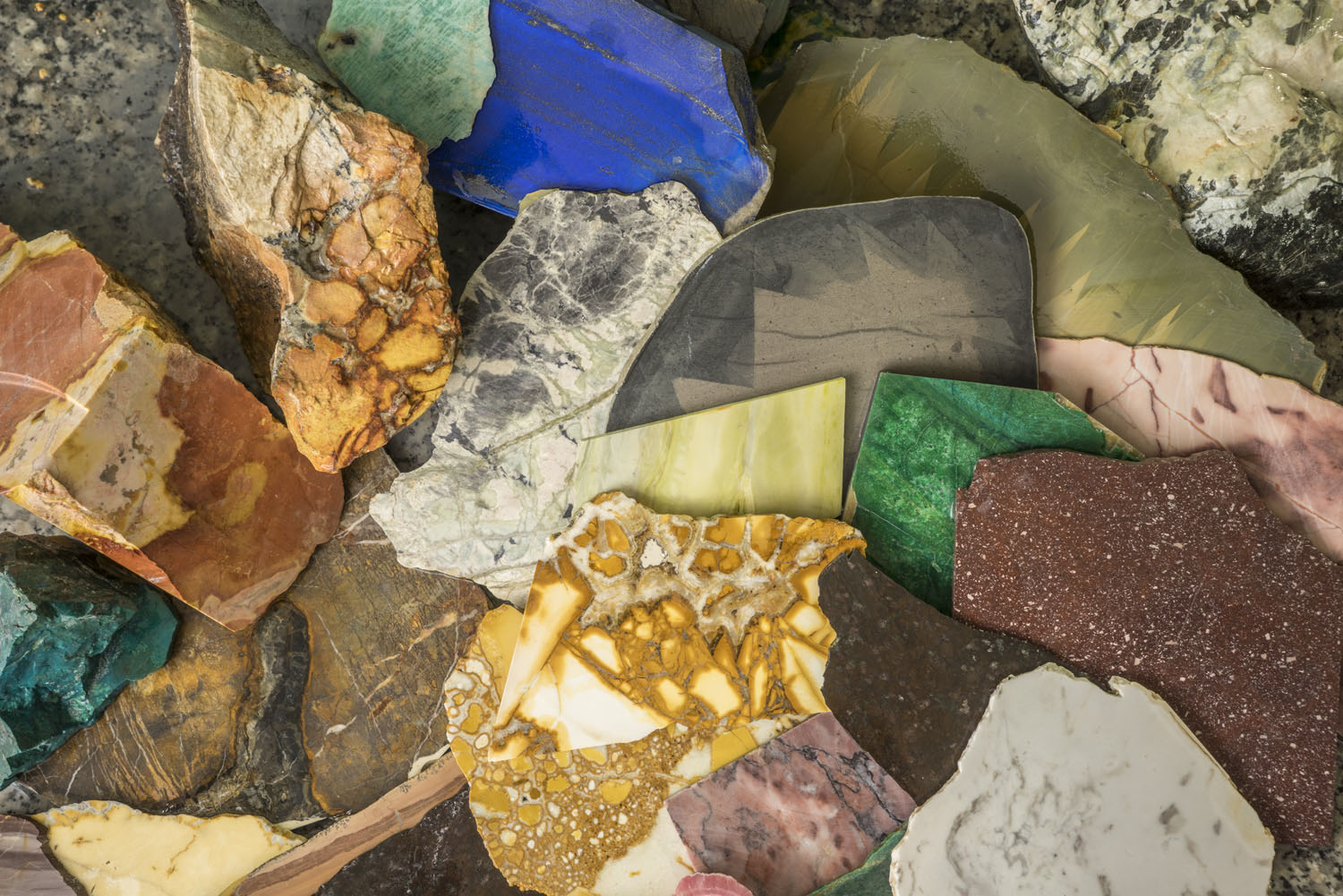
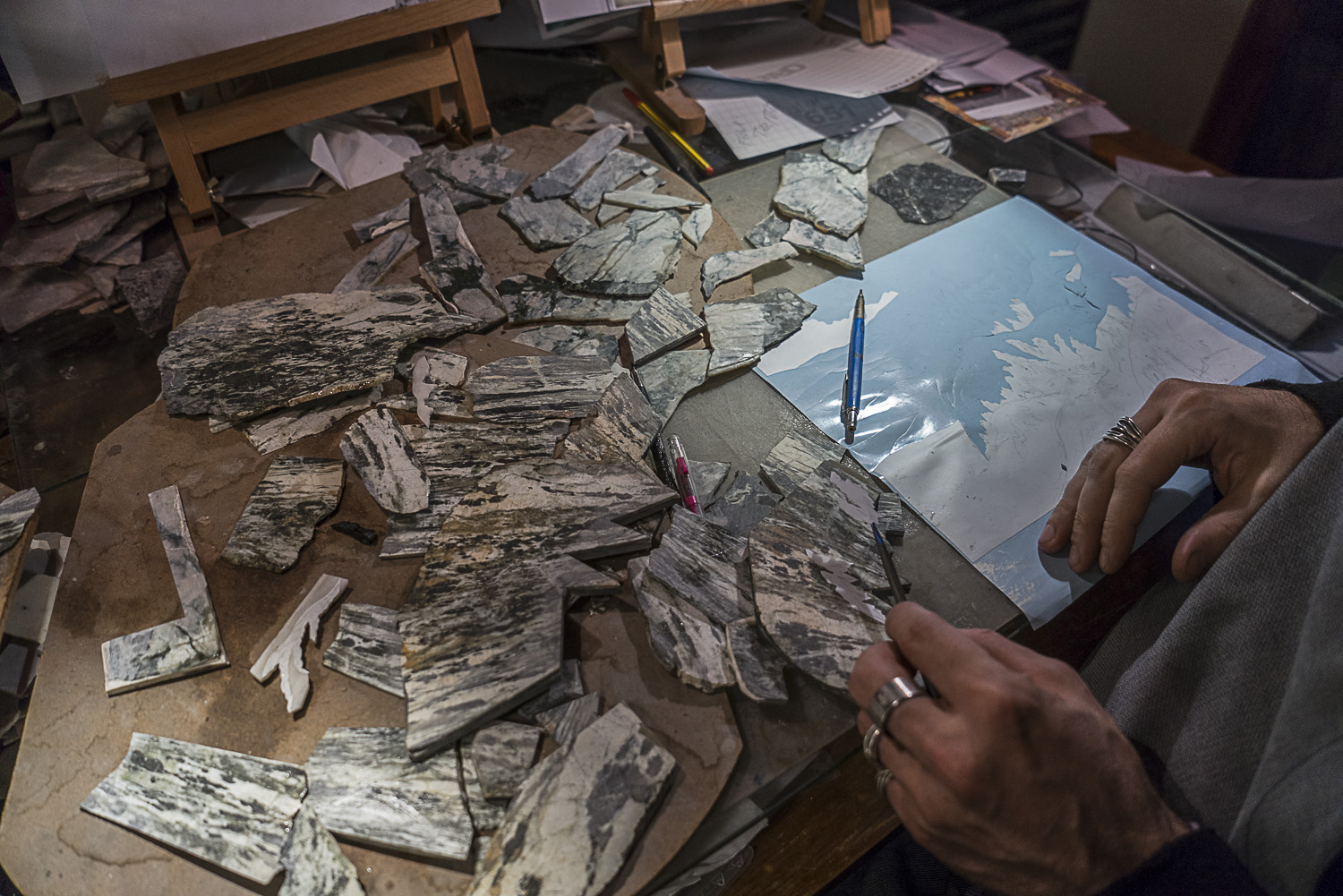
Just off Via Ricasoli, Scarpelli Mosaici is a working bottega where Renzo and Leonardo Scarpelli keep the Florentine art of commesso in pietre dure alive. Visitors can watch the cutting and fitting of semiprecious stones chosen for their color and grain, from Tuscan hillsides to lapis and malachite. Tables, panels, and smaller pieces leave the bench as one of a kind work. Find them at Via Ricasoli 59/r.
Personal shopping
Many luxury boutiques and hotels offer personal shopping, with private appointments and stylists. It is a lovely way to discover Florence's best shops at a relaxed pace.
Opening hours
Luxury boutiques on Via de' Tornabuoni usually open around 10:00 AM and stay open through lunch, unlike smaller artisan shops, which may close in the early afternoon. Many open on Sundays too.
FAQ
Are designer goods cheaper in Florence?
Sometimes, especially at the outlets and once you claim the tax refund. Compare before you travel.
Are shops open on Sundays?
Many boutiques in the center do, but hours vary, so check the store before you go.
Can a personal shopper help?
Yes. Many hotels can arrange a stylist or private appointments in the boutiques.
What is Florence famous for buying?
Leather goods, gold jewelry, marbled paper, perfume and handmade shoes.
Where are the best artisan workshops?
In the Oltrarno, around Santo Spirito and San Frediano.
All Shopping and Artisans guides
About the author
I'm Jason GaNung, and I write every guide on Florence Life. I have spent extensive time in Florence over many trips, and I have stayed in many of the hotels and villas I cover, so my picks come from my own stays, not press releases. More about me.
Read next
Plan my stay
Want a luxury stay close to Via de' Tornabuoni? Plan my Florence stay


Comments