Best Cooking Classes in Florence 2026: Half Day to Full Courses
Updated: 2 days ago
Updated October 2026

There is no better souvenir from Florence than knowing how to make fresh pasta. A cooking class turns the food you ate all week into something you can make at home, usually with a glass of Chianti in hand.

This guide helps you choose between a half-day class, a market-to-table experience and a longer culinary course.

Which type of class is right for you?
Half-day hands-on classes
Three to four hours, usually ending with lunch or dinner of what you made. Pasta, gnocchi, pizza, tiramisù and gelato are the usual themes. Perfect for couples, families and first-timers.
Market-to-table classes
You shop with a chef at Sant'Ambrogio or the Mercato Centrale, learn to pick produce and cheese, then cook. It is the best way I know to understand Tuscan ingredients.
Multi-day and professional courses
Culinary institutes run week-long programs and full semesters for serious home cooks and students.
Schools to know
In Tavola
Address: Via dei Velluti 20r.
A friendly school in the Oltrarno with a wide calendar of hands-on classes: pasta, Tuscan dinners, pizza and gelato. Its evening dinner class is a fun night out.
Cucina Lorenzo de' Medici
Address: upstairs at Mercato Centrale, Piazza del Mercato Centrale.
The teaching kitchen of a Florence university program, located upstairs in the Mercato Centrale. It runs public hands-on classes, from pasta to meat and vegetarian menus. You can browse the food hall downstairs afterwards.
Apicius
Address: 21 Via Ricasoli.
An international culinary and hospitality institute that also offers workshops for visitors, including Tuscan cuisine, fresh pasta, pizza and wine experiences.
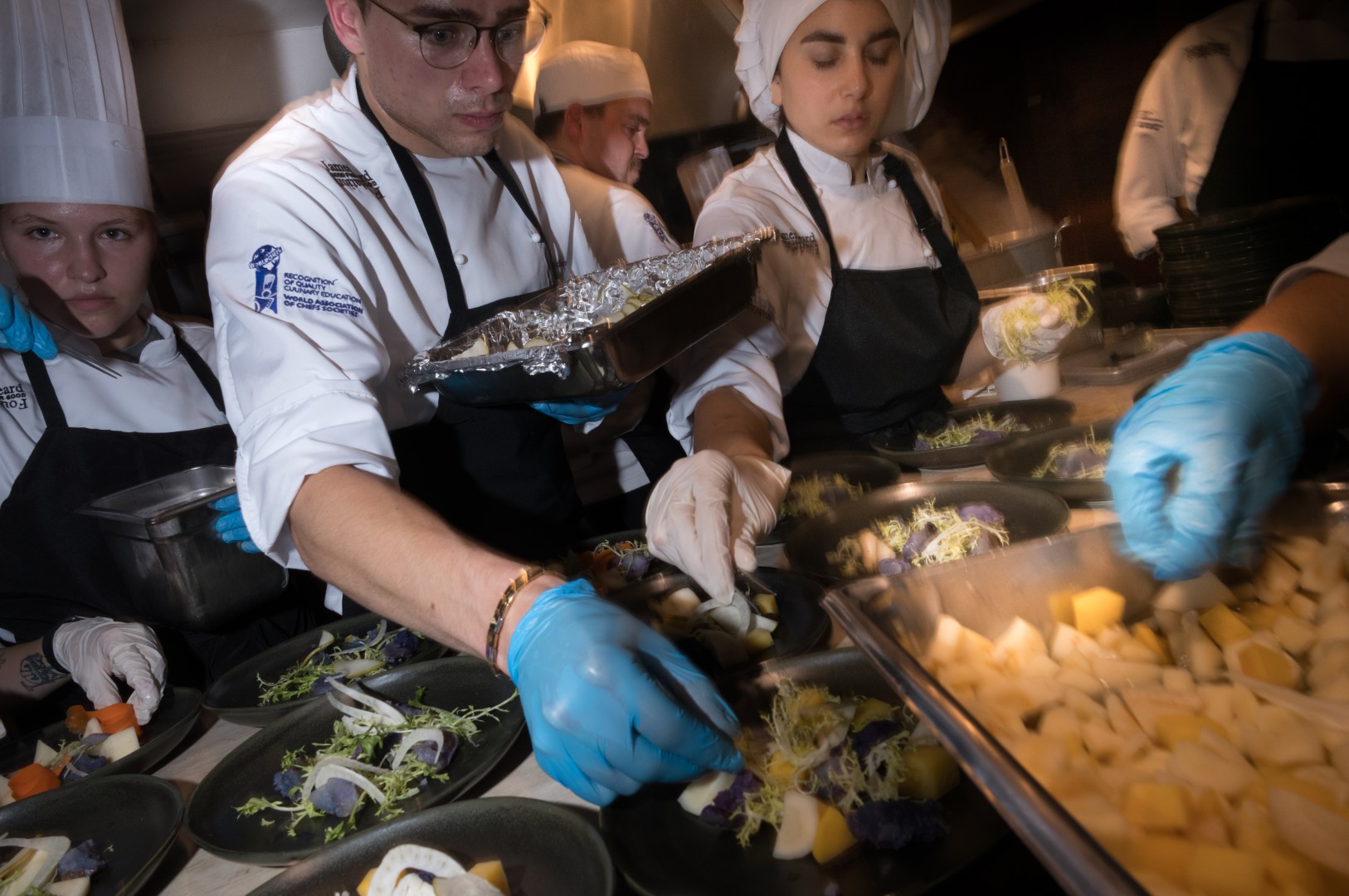
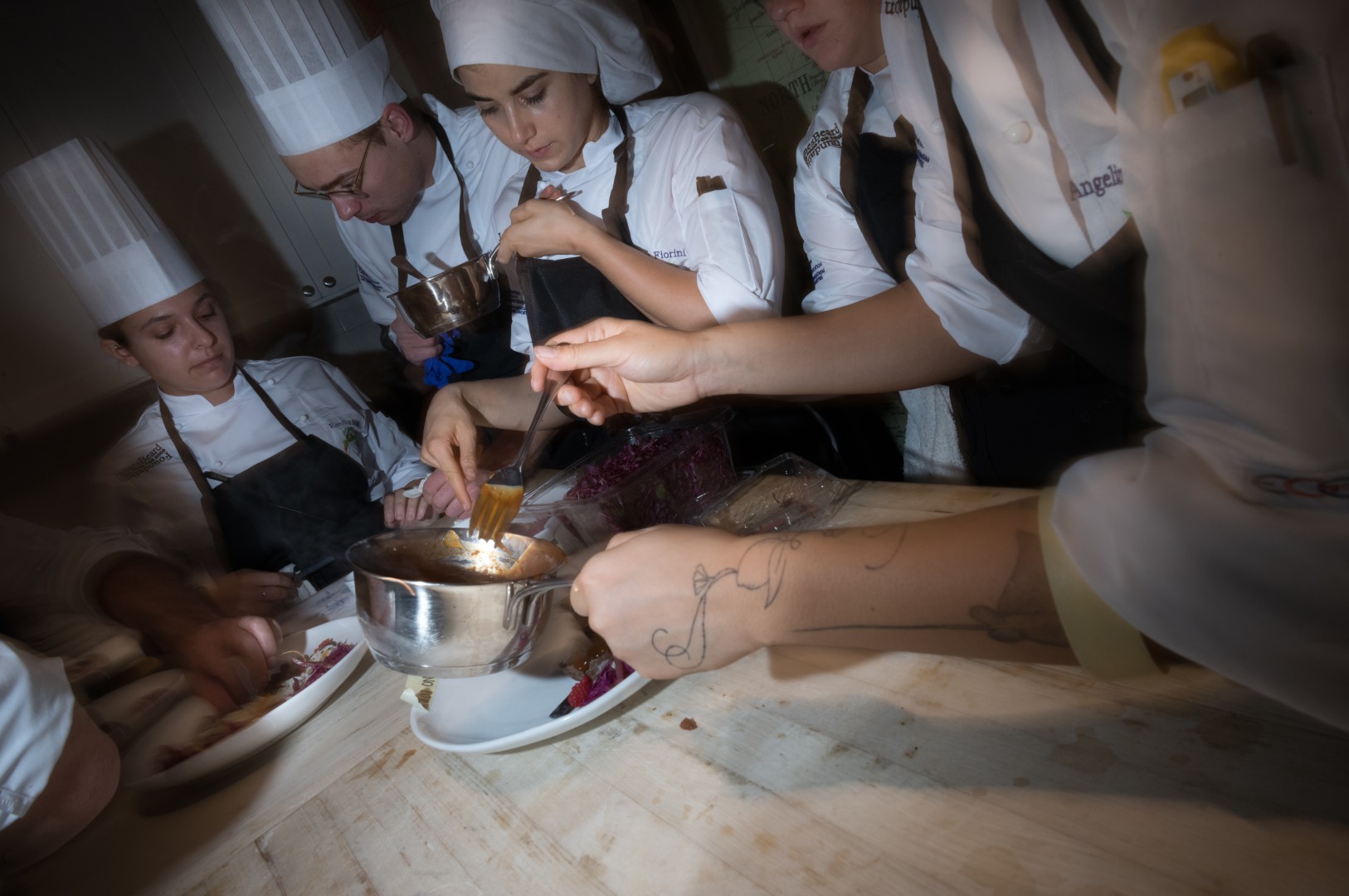
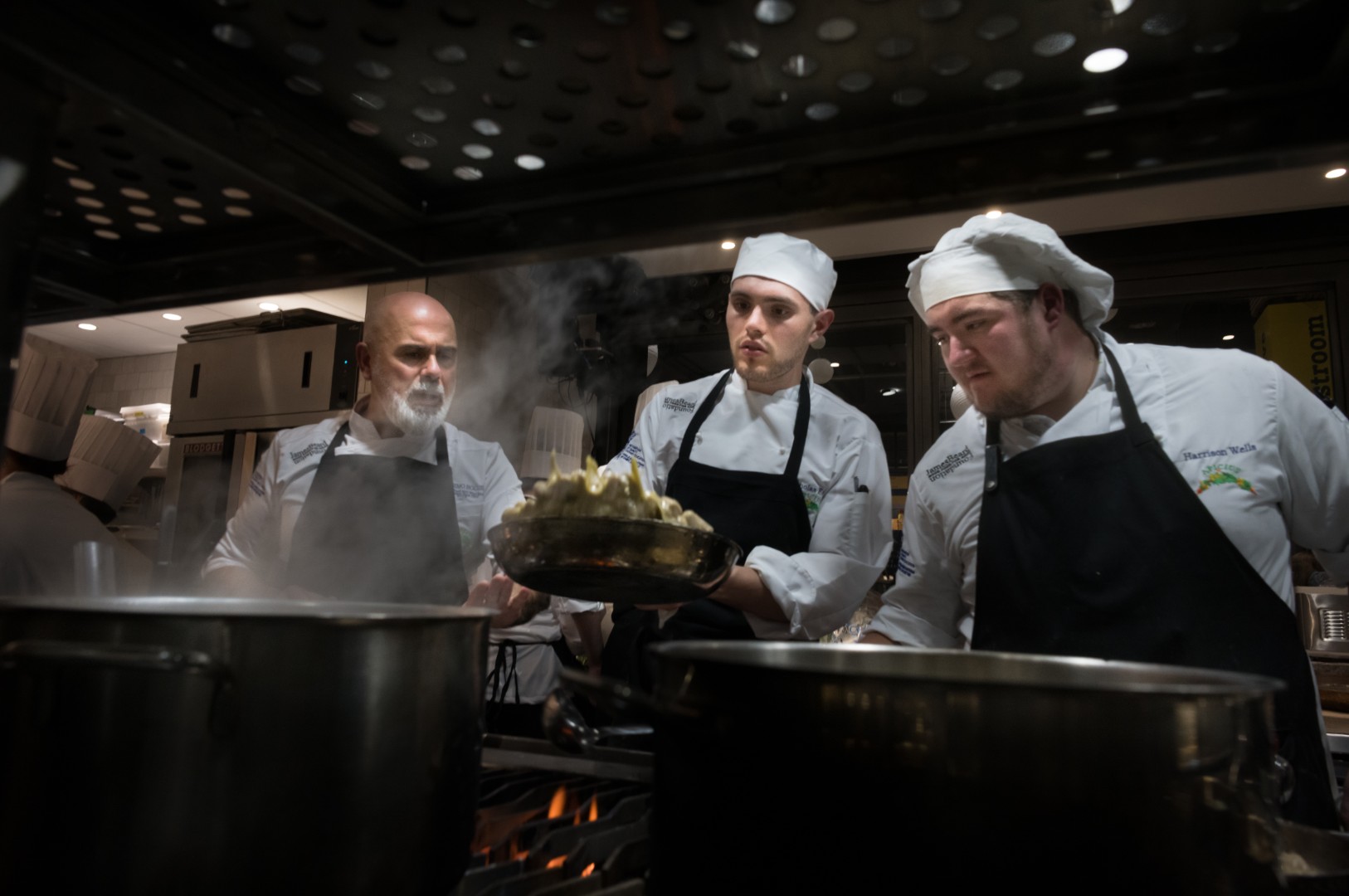
Cordon Bleu Firenze
The Scuola di Arte Culinaria Cordon Bleu is based in Palazzo Panciatichi Ximenes, Via Giusti 7, 50121 Firenze. Founded in 1985 and led by Cristina Blasi and Gabriella Mari, it brings together practical teaching and a long-standing focus on Italian culinary traditions.
The school's official program ranges from amateur and professional courses to short classes for visitors, private lessons and a three-year Bachelor in Italian Culinary Arts. That breadth makes it worth considering both for a focused cooking experience during a Florence stay and for more sustained study.
For a short visit, ask the school which tourist class or private lesson fits your dates, preferred language and experience level. For professional training or the Bachelor, check the course requirements and timetable directly. A short visitor lesson and a qualification program are different commitments, so choose the format first.
Address: Via Giusti 7, 50121 Firenze. Telephone: +39 055 2345468.


What you will learn
How to mix and roll pasta dough by hand, and cut tagliatelle and ravioli
Classic Tuscan sauces like ragù
How to balance a simple menu: antipasto, primo, secondo, dolce
Pairing wine with each course
Tips for booking
Book early in your trip so you can use what you learn at the markets.
Tell the school about allergies when you book.
Small groups of eight or fewer give you more hands-on time.
Combine a class with a tour day. See my guide to the best tours in Florence.
Keep eating
For pasta made by the pros, see my guide to where to eat pasta in Florence. For a glass after class, try my best wine bars in Florence picks.
Where to stay
San Lorenzo puts you next to the Mercato Centrale and several schools. See where to stay near San Lorenzo.
What a typical class feels like
My favorite classes follow the same rhythm. You meet the chef in the morning, often with a coffee, and walk through a market tasting cheese, olive oil and whatever is in season.
Back in the kitchen, aprons go on and everyone gets a station. You make pasta dough from flour and eggs with your hands, roll it with a long wooden pin and cut it into tagliatelle or fill ravioli.
While the dough rests, the chef shows you a sauce, a simple ragù or butter and sage. Then dessert, usually tiramisù or panna cotta. The best part comes last: you sit down together at a long table and eat everything you made, with Tuscan wine. It is as much a social experience as a lesson.
Seasonal classes worth looking for
Autumn: truffle and porcini classes, and olive oil tastings when the new harvest arrives in November.
Winter: ribollita, bean soups and slow braises.
Spring: artichokes, fava beans and fresh pasta with spring vegetables.
Summer: panzanella, pappa al pomodoro and gelato classes that are a huge hit with kids.
Cooking in the countryside
Many visitors combine a city class with a day in Chianti, where farm kitchens teach in a country setting with wine tasting among the vines. For a group or a family, the most memorable option of all is a private chef cooking with you in a Tuscan villa. Browse villas with chef services at Exclusive Villa Collection.

Classes beyond cooking
Florence has wonderful food workshops that are not about cooking a full meal. Gelato classes teach you how artisan gelato is balanced and churned. Wine tastings at enotecas walk you through Chianti, Brunello and the Super Tuscans.
Olive oil tastings, especially in November, show you how to tell a great oil from an ordinary one. And some bakeries run early morning sessions on schiacciata and cantucci. Any of these makes a great half day on a rainy afternoon, and they are a fun alternative for travelers who would rather taste than cook.
Choosing between schools
I look at three things: group size, how hands-on it really is, and whether you eat what you make. Read recent reviews, check the calendar against your dates and ask whether the class is in English. Families should ask about minimum ages, and anyone with an allergy should mention it when booking.
Bring it home
Before you leave, buy a good bag of Italian 00 flour, a wedge of Parmigiano and a bottle of the new season's olive oil. Take photos of every step in class, because the chef's hands move faster than you expect.
Most schools email recipes after the class. My vegetarian food guide and best bakeries in Florence give you more to cook from.
The dishes you will most likely make
Most classes in Florence focus on Tuscan home cooking, the food Florentines grew up with. Fresh pasta is the star: you will learn to make dough by hand with flour and eggs and roll it into tagliatelle, pappardelle or filled pasta like ravioli and tortelli. Sauces follow the season: ragù, butter and sage, wild boar, or tomato and basil.
Many classes add a starter, such as bruschetta or crostini, and a dessert, usually tiramisù or panna cotta. More advanced classes teach Tuscan classics like peposo, a black pepper beef stew from Impruneta, ribollita, or how to cook a bistecca. I find the hands-on pasta lesson the most useful: it is a skill you take home and use for life.
Learning about ingredients
A good class teaches you how to shop, not only how to cook. Some start with a walk through the Mercato Centrale or Sant'Ambrogio, where the chef shows you how to pick tomatoes, choose pecorino, tell real Tuscan olive oil from blends and recognize seasonal produce.
You learn that Tuscan cooking is simple because the ingredients are good. That lesson changed the way I shop at home.
Wine and olive oil tastings
Many schools pair the meal with Tuscan wine, and some offer separate tastings: Chianti Classico, Brunello di Montalcino, Vino Nobile di Montepulciano and the white Vernaccia di San Gimignano.
Olive oil tastings are just as fascinating. In autumn, during the olive harvest, you can taste the bright green, peppery new oil, the olio nuovo, that Tuscans pour over bread and soup.
Gelato and pastry classes
For something different, some schools teach gelato making, from mixing the base to churning, or Italian pastry, like cantucci, cornetti or schiacciata alla fiorentina. These are great for families and for anyone with a sweet tooth.
What I learned from my first class
I went to my first cooking class expecting a show and came out with flour up to my elbows. The chef made us fail and try again until the pasta was right.
The best part was sitting down together at the end, strangers turned into friends, eating what we had made with a glass of wine. It is one of my favorite memories of Florence.
After the class
Most schools email the recipes. Practice them within a week, while your hands still remember the feel of the dough.
FAQ
Are cooking classes good for kids?
Yes. Pasta, pizza and gelato classes are great for children. Check minimum ages when booking.
Do I need any experience?
No. Most classes are designed for beginners.
Can I get a private class?
Most schools offer private and custom classes for families and groups.
How long is a cooking class in Florence?
Most hands-on classes last three to four hours and finish with a meal.
What should I wear to a cooking class?
Comfortable clothes and closed shoes. Aprons are provided.
About the author
I'm Jason GaNung, and I write every guide on Florence Life. I have spent extensive time in Florence over many trips, and I have stayed in many of the hotels and villas I cover, so my picks come from my own stays, not press releases. More about me.
Read next
Plan my stay
Want a food-focused stay with a cooking class built in? Plan my Florence stay


Comments