Bistecca alla Fiorentina 2026: Best Steak in Florence
Updated: Oct 28
Updated October 2026

The first time a waiter showed me a whole bistecca before it hit the grill, I knew this was not just a steak. In Florence, bistecca alla fiorentina is a ritual, and it is worth doing right.

Below is how it is cut, cooked and ordered, and the four places I trust with it.

What makes a real bistecca
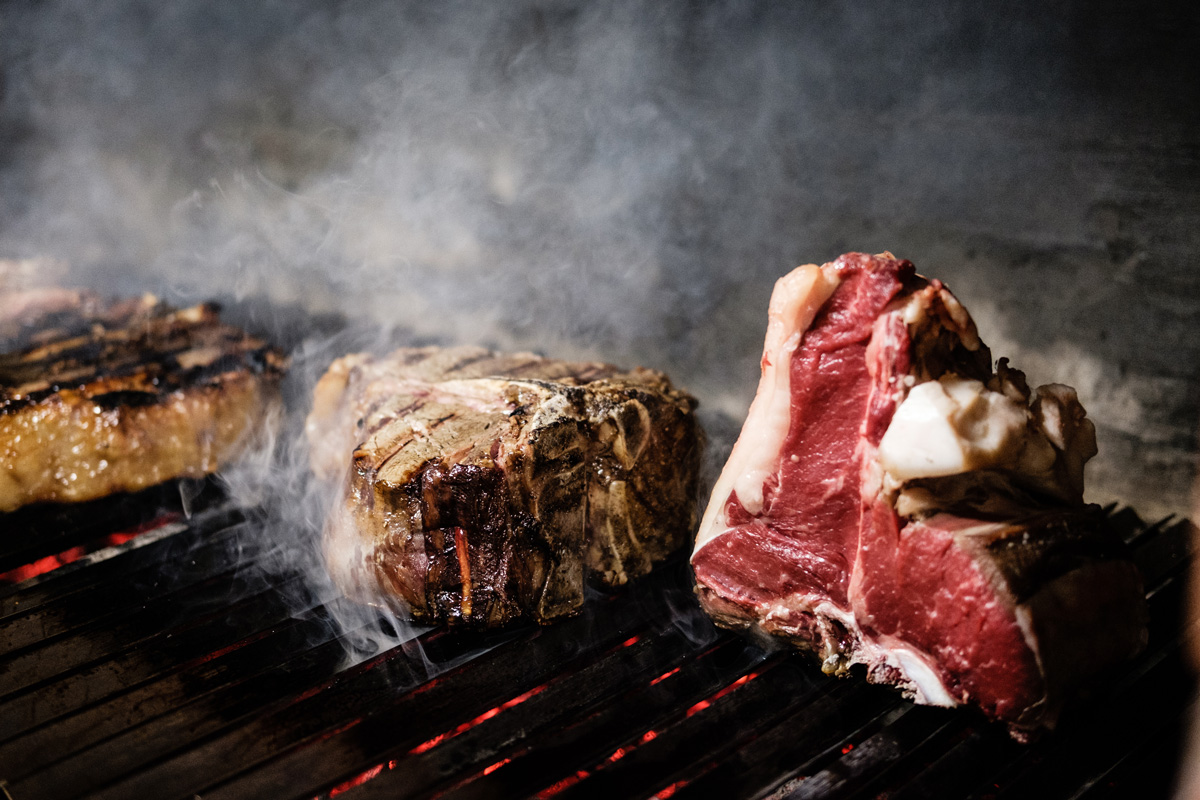
A true bistecca is a thick T-bone or porterhouse cut, with the fillet on one side and the sirloin on the other. It is cut tall, usually about three fingers thick.
The prized breed is the white Chianina, one of the oldest cattle breeds in Italy. You may even see one in the historic parades around the city, as I did. Many restaurants also serve other Tuscan or European beef, so ask if you want Chianina.
How it is cooked
The steak is grilled over hot coals, seared hard on both sides, then stood upright on the bone to warm through. Seasoning is salt, pepper and maybe a drizzle of olive oil after cooking. Nothing more.
It is served rare, "al sangue." Most good kitchens will not cook it well done, and asking for that is a bit like asking for ketchup on a truffle.
How to order
It is sold by weight, usually listed per kilo or per hectogram, so the final bill depends on the size of your cut.
The cuts are big. One steak usually feeds two or three people.
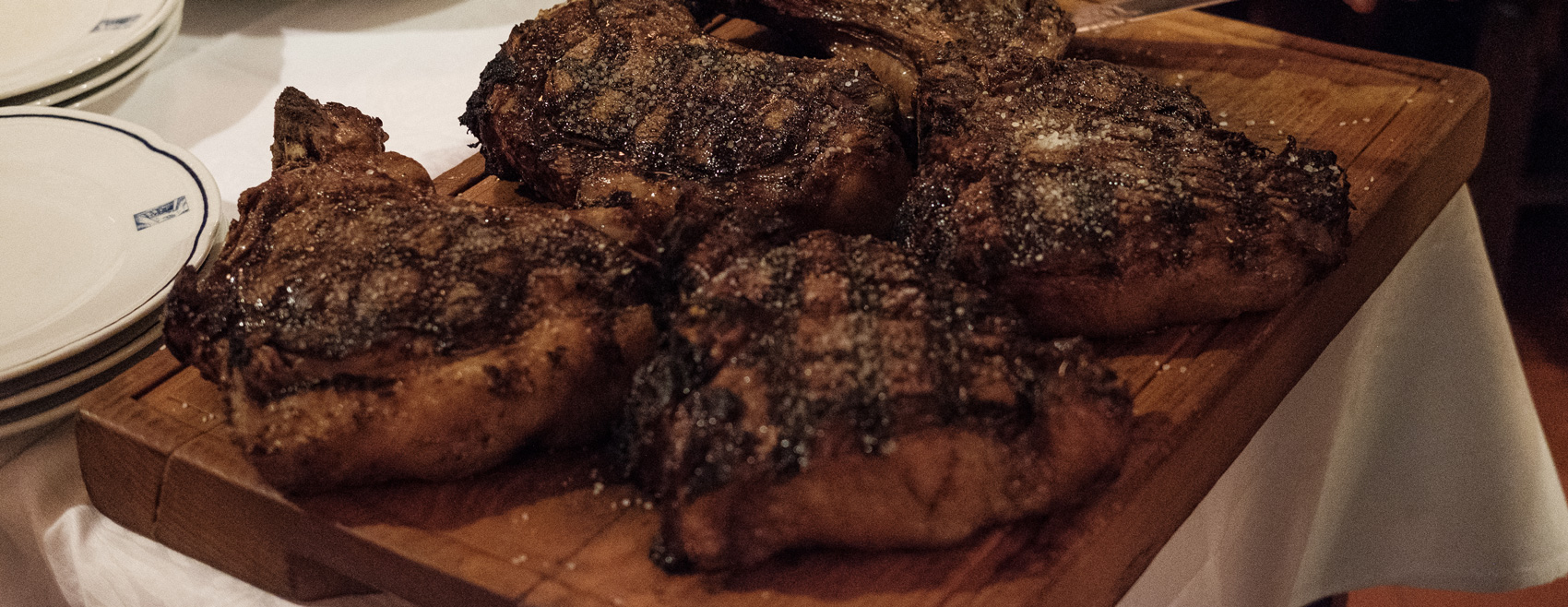
The server may bring the raw steak to your table to approve before cooking.
Order sides separately: white beans with olive oil, roast potatoes or a simple salad.
Pair it with a Chianti Classico or a Brunello. For more on wine, see my guide to the best wine bars in Florence.
Where I go for bistecca
Trattoria Dall'Oste
Address: several branches, including Via Borgo San Lorenzo 31 and Via dei Cerchi 40r.

A modern steak specialist with several locations in the center. The cuts and their aging are displayed in a glass case, which makes ordering easy for first-timers, and the staff are happy to talk you through weights.
Buca Lapi
Address: Via del Trebbio 1r. Dinner only, closed Sundays.

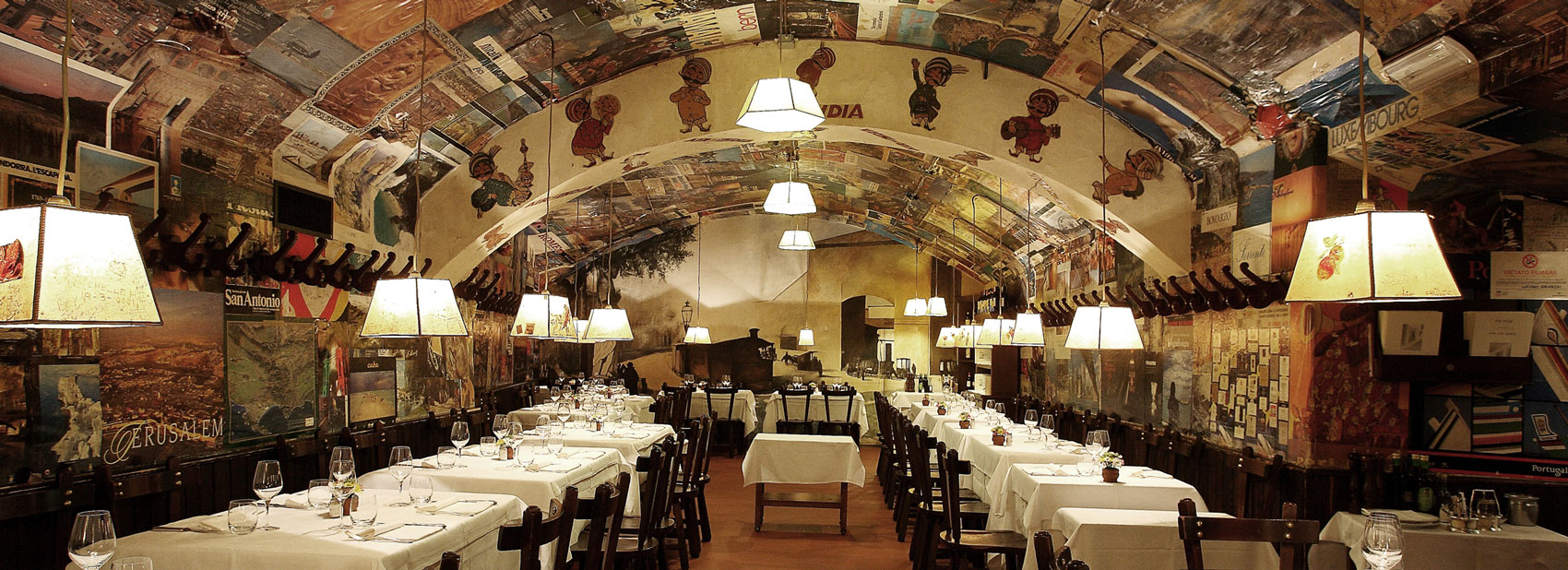
A cellar restaurant under Palazzo Antinori, open since 1880. Old posters on the walls, a serious grill and a classic Florentine evening. It serves dinner only, so book ahead.
Il Latini
Address: Via dei Palchetti 6r. Closed Mondays.

Loud, friendly and family-style, with hams hanging from the ceiling and house wine poured freely. You may share a table with strangers, and by the end of the night you will be toasting them.
Osteria del Cinghiale Bianco
Address: Borgo San Jacopo 43r.

Across the river in Borgo San Jacopo, an atmospheric medieval tower room. Good for bistecca, and for wild boar dishes too.
Beyond steak
If someone in your group is not a meat lover, a pasta dinner may be the better choice. See my guide to where to eat pasta in Florence. For an anniversary, try one of my romantic restaurants in Florence.
Want to see where the cattle and the wine come from? Head out on one of my favorite day trips from Florence.
Where to stay
Santa Croce is full of trattorie and easy to walk home from after a long dinner. See where to stay near Santa Croce.
A short history of the bistecca
Florentines will tell you the name comes from English. The story goes that during the feast of San Lorenzo, when huge fires roasted beef in the piazza, English visitors called out for "beef steak," and the word became bistecca.
Whether or not it is true, beef has been feast food here for centuries. The Chianina breed, raised in the Val di Chiana south of Florence, is one of the oldest in the world and was once prized as a working ox for its size and strength. Today Chianina is the gold standard for a true fiorentina.
What I order with it
A bistecca dinner is simple and that is the point. I start with crostini toscani, chicken liver pâté on toasted bread, or a plate of finocchiona salami. Skip the pasta, or share one.
With the steak, white cannellini beans with olive oil and roast potatoes. To finish, cantucci and vin santo. A Chianti Classico Riserva or a Brunello di Montalcino stands up to the meat.
When to go
Bistecca is dinner food for most Florentines, and the grill rooms are at their best from eight thirty onwards. In summer, the Festa di San Lorenzo on 10 August still celebrates with food in the San Lorenzo neighborhood. Book for the weekend, and call ahead if your group is large, because big cuts need time.
Bistecca outside the city
In the Chianti hills, butchers like the famous one in Panzano have turned steak into an experience, with long shared tables and plenty of wine. It makes a great lunch stop on a day in Chianti.
My Tuscan towns day trips guide includes Chianti routes. For a group trip built around food and wine, a villa with a grill and a private chef is a lovely option; see Exclusive Villa Collection.
Chianina and other breeds
The traditional bistecca comes from Chianina cattle, a huge white breed from the Val di Chiana in southern Tuscany, one of the oldest cattle breeds in the world. Chianina beef is lean, with a fine grain and a deep flavor. It is protected under the Vitellone Bianco dell'Appennino Centrale designation, and butchers who sell it display the certification.
Because it is rare and expensive to raise, many restaurants also serve bistecca from other breeds, including Maremmana, a hardy Tuscan breed, and imported beef from Spain, Ireland or elsewhere. Neither is wrong, but if you want the real Chianina, ask, and a good restaurant will tell you exactly where the meat came from.
The butcher's craft
A proper bistecca is cut from the loin with the T-shaped bone, with a fillet on one side and the sirloin on the other. It is cut thick, about three or four fingers, so a single steak often weighs a kilo or more.
Good restaurants age the beef for several weeks to deepen the flavor and tenderize the meat, and some keep their aging cabinets in the dining room so you can see the cuts. Many will bring the raw steak to your table to show you before cooking, a ritual I love.
Dario Cecchini and Panzano
For meat lovers, the most famous butcher in Tuscany is Dario Cecchini, whose shop in Panzano in Chianti has been in his family for generations.
He recites Dante as he works and runs restaurants upstairs and next door. It is about 45 minutes by car from Florence through the Chianti hills, and it makes a memorable lunch on a wine country day trip.
Other Florentine meat dishes
If bistecca is too much, try the other great Florentine meat dishes. Peposo is a slow cooked black pepper beef stew. Arista is roast pork loin with rosemary and garlic. Lampredotto, a tripe sandwich, is a street food classic sold from carts. Trippa alla fiorentina is tripe cooked in tomato sauce. Each one tells the story of Florence's working kitchens.
Sharing and leftovers
Bistecca is meant to be shared, so I order one for two or three people with a couple of sides. In Italy, asking to take leftovers home is less common than in the US, but it is accepted now, especially for an expensive cut. Just ask.
FAQ
Can I order bistecca medium?
You can ask, but most traditional places serve it rare only. Order a tagliata, sliced steak, if you want more flexibility.
Can one person order a bistecca?
Some places offer smaller cuts, but it is really a dish to share.
Do I need a reservation?
Yes, for the popular places, especially on weekends.
How big is a bistecca alla fiorentina?
Usually over a kilo, cut about three fingers thick. One steak usually feeds two or three people.
What wine goes with bistecca?
Chianti Classico Riserva or Brunello di Montalcino, both made from Sangiovese.
About the author
I'm Jason GaNung, and I write every guide on Florence Life. I have spent extensive time in Florence over many trips, and I have stayed in many of the hotels and villas I cover, so my picks come from my own stays, not press releases. More about me.
Read next
Plan my stay
Want a stay planned around great dinners and Tuscan wine? Plan my Florence stay


Comments